
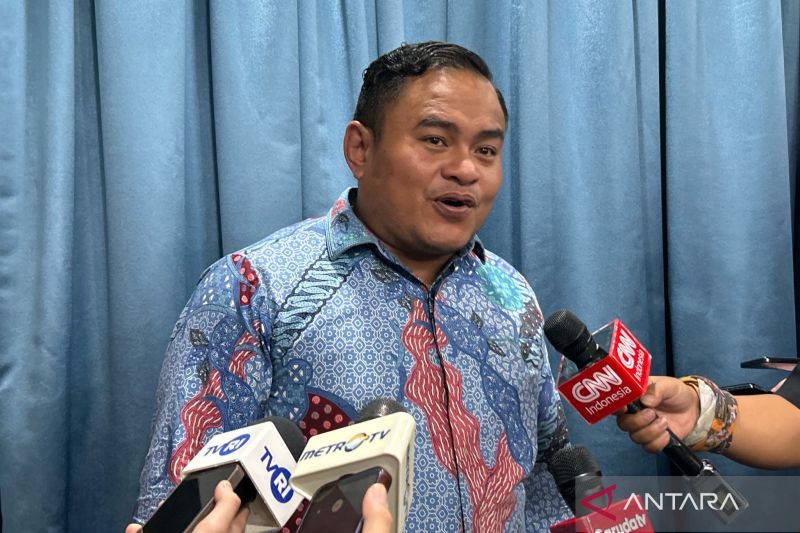
Jakarta, Indomaritim.com– Indonesia needs a more progressive and focused policy approach, particularly in developing alternative financing systems beyond reliance on the US dollar, according to Trimegah Sekuritas Indonesia Chief Economist Fakhrul Fulvian.
He said priority measures include strengthening the Local Currency Settlement (LCT) scheme in bilateral trade and exploring the use of lower-cost funding currencies such as CNH for financing.
He also highlighted the need to deepen the rupiah-based domestic financial market, especially for long-term instruments, while diversifying both the investor base and sources of liquidity.
“Indonesia can no longer simply be a price taker in the global financial system. We must start becoming the architect, or at least co-architect, of our own funding sources,” Fulvian said in a statement on Monday.
Recent meetings of the International Monetary Fund (IMF) and World Bank in Washington, D.C., emphasized the importance of macroeconomic stability and global cooperation.
However, Fulvian argued that this approach alone is insufficient to address ongoing structural challenges.
He pointed to persistent imbalances in global liquidity as a key unresolved issue.
In recent years, he observed a decline in global dollar supply, accompanied by tighter liquidity, rising US domestic financing needs, and shifts in global investor behavior.
At the same time, a new dynamic has emerged through the internationalization of China’s currency, particularly the CNH, or offshore renminbi, which is playing an increasingly significant role in cross-border trade and financing.
“We see two major opposing currents: an increasingly limited global dollar supply, while the use of CNH in trade and financing is beginning to expand. This creates new imbalances, but also opens up strategic opportunities,” he said.
Fulvian views this development not merely as a market phenomenon, but as the beginning of a shift in the global financial architecture. However, he cautioned that such opportunities will not automatically benefit all countries.
He also warned that current global fragmentation is not a temporary disruption, but part of a transition toward a more multipolar system.
In such a system, access to liquidity and financing will increasingly depend on bilateral and regional networks, as well as the flexibility of each country’s policies.
He stressed the urgency for the government and authorities to communicate policy direction more clearly and strategically, particularly in responding to these global shifts.
“Markets today assess not only stability, but also direction. Without clear communication on Indonesia’s adaptability to global fragmentation and shifting liquidity, we risk losing momentum,” he said.
While the opportunities arising from these changes are significant, he warned that they also carry considerable risks if not managed properly.
He added that without swift and precise action, the risks could affect not only economic growth, but also the future structure of the national economy.
“If we want to achieve 8 percent economic growth, we must resolve long-standing funding issues, and in this context, opening access to CNH financing is a viable solution,” he concluded. (Ant)




Komentar