
Pelaut ADIPATI l Kalitbang INDOMARITIM l Kalitbang APUDSI I CEO TRUST l Presiden SPI l Volunteer INMETA
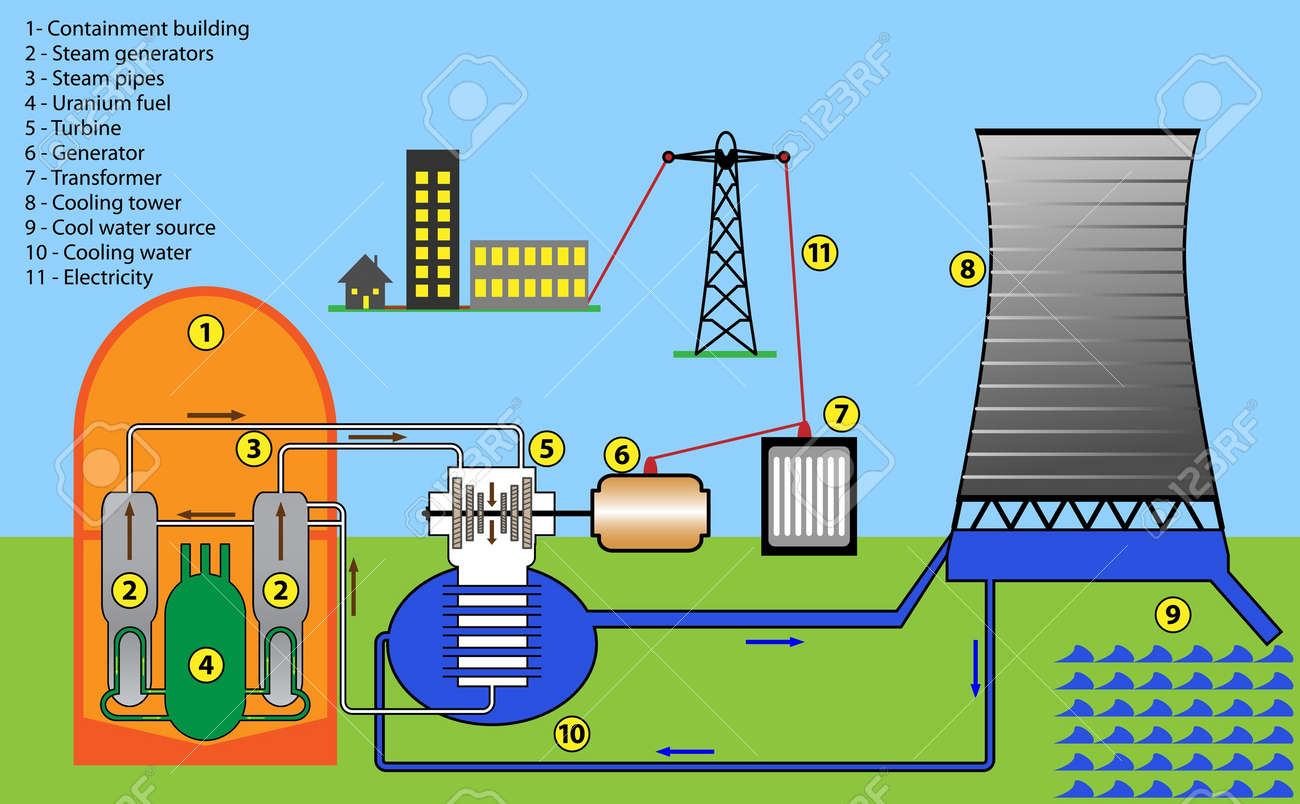
Indonesia’s audacious plan to deploy 10 GW of nuclear power by 2040—a centerpiece of its 103 GW renewable energy surge—isn’t just a domestic energy strategy. It’s a high-stakes geopolitical maneuver that could redefine its role in the global clean energy race, testing its ability to balance superpower rivalries, seismic realities, and economic ambition. Here’s why the world should watch closely:
The Nuclear Pragmatism: Growth vs. Green Transition
Indonesia’s nuclear pivot exposes a raw tension in the Global South’s energy transition. President Prabowo’s dual goals— 8% economic growth and carbon neutrality by 2050—are near-impossible without replacing coal (55% of today’s 90 GW grid). Nuclear offers “clean baseload” credibility, but its inclusion reveals Jakarta’s distrust of solar/wind alone to power industrialization. The compromise? A phase-down—not phase-out—of fossils, with gas as a “bridge” fuel. For emerging economies, this “all-of-the-above” approach may become a template—or a cautionary tale.
The Geopolitical Chessboard: Vendors, Alliances, and Risks
Jakarta is courting nuclear suitors from rival blocs: Russia (Rosatom), China (CNNC), U.S. (NuScale), UK (Rolls-Royce), and France (EDF). This isn’t just shopping—it’s strategic hedging.
– Russia & China : Offer financing and proven tech but come with sanctions risks (e.g., CAATSA) and debt-trap optics.
– The West : Brings SMR innovation but unreliable political will (e.g., U.S. withdrawal from JETP).
Indonesia’s ace? The Danantara Sovereign Wealth Fund, poised to co-invest and dilute foreign influence. Yet, aligning with Moscow or Beijing could strain ties with Washington, especially as SMR tech becomes a new frontline in U.S.-China tech rivalry.
The “Ring of Fire” Paradox: Ambition vs. Reality
Building reactors on the Pacific’s most volatile seismic arc is a gamble. Western Indonesia’s conventional plants (1 GW units) and eastern floating SMRs (700 MW) must survive quakes, tsunamis, and public skepticism. Success would make Indonesia a global SMR pioneer for disaster-prone regions; failure could derail nuclear revival across the Global South. Regulatory independence and transparency will be non-negotiable—and closely monitored by the IAEA.
JETP’s Shadow: A Test of Global Solidarity
The delayed retirement of the Cirebon-1 coal plant—a JETP flagship project—highlights the fragility of Western climate partnerships. The U.S. exit from JETP signals a broader retreat from multilateral energy finance, pushing Indonesia toward alternative lenders. If Jakarta navigates this while launching nuclear projects, it could inspire other Global South nations to bypass traditional donors—accelerating a multipolar energy finance landscape.
The Global Implications: A Bellwether for the Global South
Indonesia’s nuclear quest is a litmus test for three critical questions:
– Can emerging economies achieve high-growth, low-carbon transitions without Western hegemony?
– Will nuclear energy’s "renaissance" be built in seismic zones, expanding its geographic reach?
– Can nations leverage great-power competition to secure favorable tech deals without alienating allies?
The Verdict: High Reward, Higher Risk
Indonesia’s vision is bold, but its execution will demand near-flawless alignment of policy, diplomacy, and technology. If it succeeds, Jakarta emerges as a clean-energy leader and a master of transactional geopolitics. If it fails, the fallout extends beyond its borders: eroded trust in nuclear for vulnerable regions, reinforced fossil-fuel lock-in, and a win for critics who argue that complex energy transitions are a luxury only rich nations can afford.
For now, Indonesia isn’t just building reactors—it’s building a blueprint. The world’s energy future will learn from its stumbles or soar on its triumphs.





Komentar