
Support by SAMUDRA PELAUT TRUST DESA
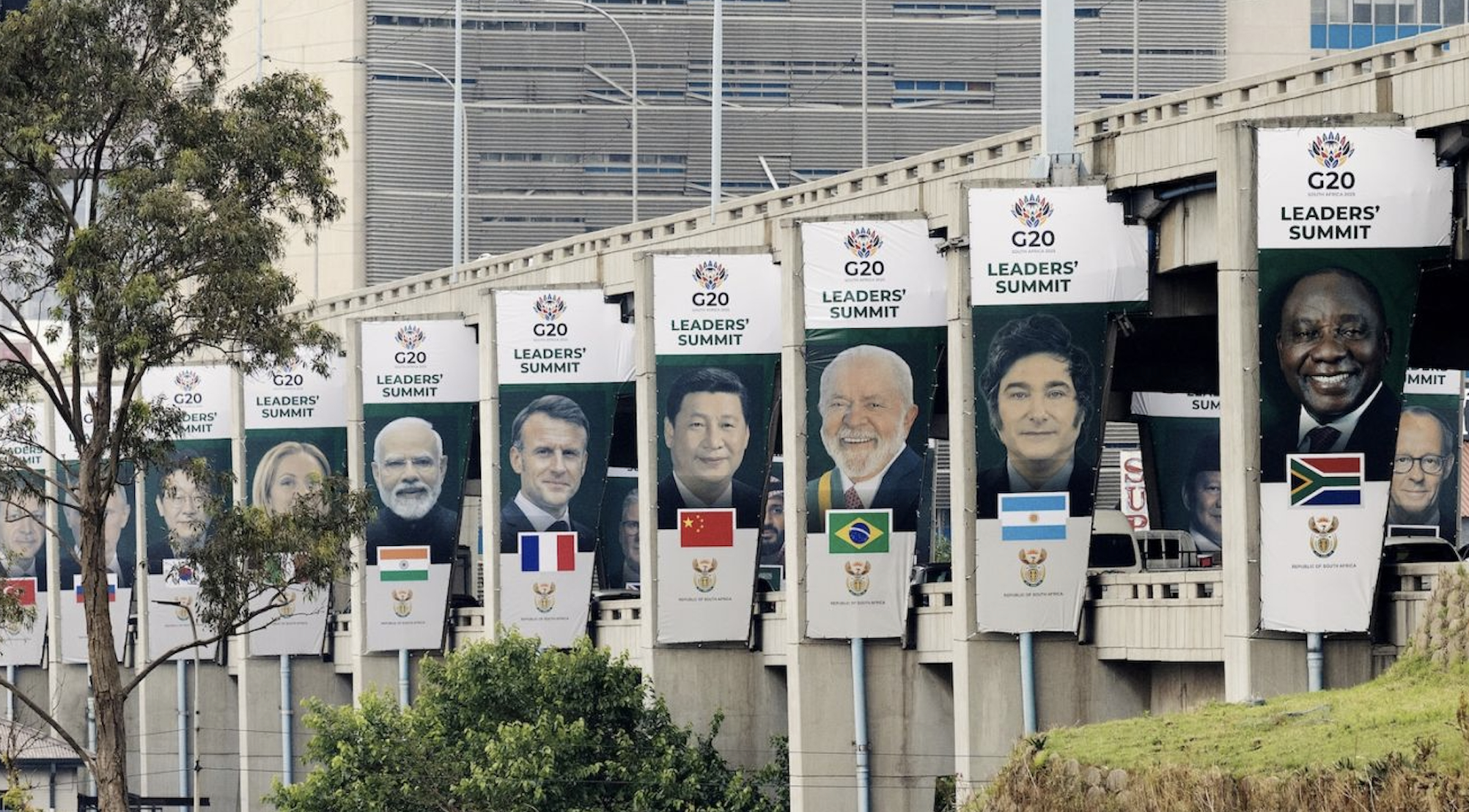
The G20 convenes this year under the shadow of three conspicuously empty chairs—those of the United States, China, and Indonesia’s president-elect, Prabowo Subianto. Their absence is not a logistical anomaly but a political signal of a more profound shift: the erosion of coordinated global leadership and the weakening relevance of multilateral forums. As the world grapples with overlapping crises—from the Ukraine war and Middle Eastern volatility to climate disruption, sovereign debt distress, and economic fragmentation—the failure of major powers to attend one of the world’s premier economic summits underscores a geopolitical landscape in which global forums no longer command the authority or attention they once enjoyed.
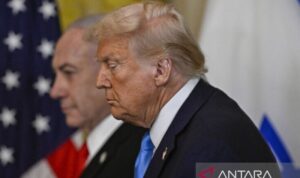
Washington’s absence is inseparable from President Donald Trump’s recent ultimatum to Ukraine. By demanding Kyiv accept a U.S.-designed 28-point peace plan by Nov. 27 or lose military and intelligence support, Washington has broadcast its preference for coercive bilateralism over collective diplomacy. This is not isolationism but a more muscular, transactional foreign policy that sidelines multilateral mechanisms entirely. In such a worldview, the G20 is irrelevant compared to the power of unilateral pressure. The message is clear: why engage in multilateral dialogue when Washington believes it can extract its desired outcomes through direct leverage?
Beijing’s decision to have Premier Li Qiang attend instead of President Xi Jinping reflects a different but equally consequential recalibration. China appears increasingly selective about global forums it cannot dominate or meaningfully shape. Domestic economic fragility has made Xi more cautious about appearing on stages where he cannot control the narrative. At the same time, China has no interest in positioning itself as an alternative leader in a forum the United States is deliberately neglecting. Instead, Beijing prioritizes platforms where it enjoys greater structural influence—BRICS+, the Shanghai Cooperation Organization, and Belt and Road initiatives. China’s absence is thus a calculated expression of strategic detachment: a recognition that the G20 no longer offers the leverage or prestige required to advance Beijing’s long-term geopolitical agenda.
Indonesia’s absence, particularly the decision of president-elect Prabowo Subianto to send vice-president-elect Gibran Rakabuming Raka in his place, has raised questions among observers. Yet Indonesia’s logic is grounded in domestic and strategic priorities. Prabowo is entering a critical period of political consolidation, assembling his governing coalition and defining the strategic trajectory of his administration. These domestic imperatives carry immediate consequences that outweigh the symbolic value of attending a summit already deprived of U.S. and Chinese leadership. Moreover, Jakarta has calculated that this year’s G20 offers limited substantive value. With no expectation of a joint communique and little chance of consensus on debt relief, climate finance, or geopolitical tensions, Indonesia sees more practical benefit in bilateral diplomacy and internal preparations. Delegating Gibran serves an additional purpose: it projects a new generation of Indonesian leadership and reinforces political continuity with the outgoing administration.
These three absences collectively highlight the G20’s deepening relevance crisis. Once celebrated as the world’s premier platform for coordinating economic governance, the forum now struggles to produce meaningful outcomes. Consensus has become elusive, agenda-setting increasingly politicized, and implementation lagging. Meanwhile, rival frameworks—more exclusive, more flexible, and more aligned with the interests of major powers—are eroding the G20’s centrality. The Johannesburg summit has become a stark reminder that global governance is drifting away from collective problem-solving and toward a decentralized order defined by transactional bargaining, power blocs, and domestic political imperatives.
The empty chairs in Johannesburg speak louder than any prepared statement. They reveal an international system losing its center of gravity, with great powers turning inward or sideways, and middle powers recalibrating their participation according to pragmatic cost-benefit calculations. If the G20 once represented the promise of coordinated global leadership, its diminished attendance now mirrors the fragmentation shaping world politics. The pressing question is no longer whether the G20 can recover its influence, but whether major powers still view multilateralism as a credible tool for managing a world in crisis. The answer, judging by this year’s summit, is increasingly uncertain.




Komentar